
I still remember the first time I slurped up a bowl of homemade ramen; it was a revelation! There’s something deeply satisfying about crafting your own Homemade Ramen Noodles from scratch, transforming simple ingredients into something truly delectable. This recipe is not only a joy to make, but it also offers a healthier alternative to store-bought options packed with preservatives. You’ll relish the delightful springy texture and the customizable nature of these noodles, perfect for everything from a cozy ramen bowl to a vibrant stir-fry or even a refreshing cold noodle salad. Ready to elevate your noodle game and impress your friends or family? Let’s dive into creating these irresistible homemade noodles together!
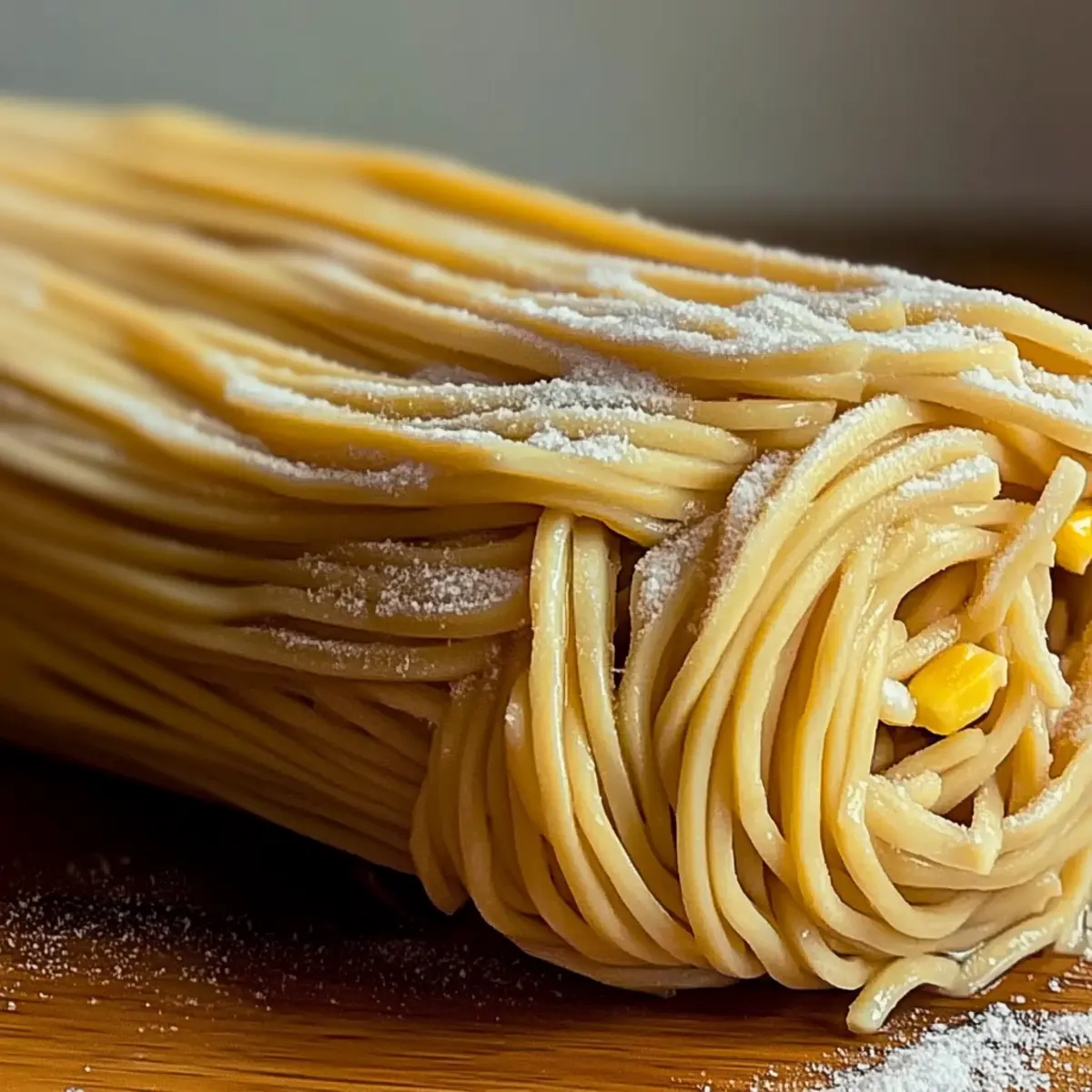
Why Make Homemade Ramen Noodles?
Freshness Awaits: Nothing beats the taste of homemade ramen noodles crafted from scratch. You’ll enjoy an unparalleled freshness that store-bought brands simply can’t match.
Simple to Create: With just a handful of ingredients like flour and baking soda, making these noodles is straightforward and accessible for both novice and seasoned cooks.
Customizable Delight: You control the flavors! Add in your favorite toppings, from spicy chili oil to fresh bean sprouts, to make each bowl uniquely yours.
Versatile Options: These noodles aren’t just for ramen; they can easily be tossed in a vibrant stir-fry or chilled for a refreshing cold noodle salad – talk about variety!
Healthier Choice: By using wholesome ingredients, you’re embracing a better option without the unnecessary preservatives found in many packaged noodles. Why not check out our delicious Homemade Jam Donut recipe next for a sweet treat to complement your ramen night?
Crowd-Pleaser: Impress family and friends with your culinary skills. Homemade ramen is sure to be a hit at your next gathering or family dinner. Get ready to slurp your way to happiness!
Homemade Ramen Noodle Ingredients
For the Noodles
• All-Purpose Flour – the essential base for your noodles, imparting the perfect chewiness. For a healthier twist, try using whole wheat flour!
• Baking Soda – this ingredient mimics the alkaline properties of kansui, crucial for achieving that authentic ramen flavor and color.
• Water – needed for hydrating the flour; don’t hesitate to adjust the amount when using whole wheat flour.
• Cornstarch – helps prevent uncooked noodles from sticking together; you can also use it for a thicker noodle texture when cooking.
Optional Storage Ingredients
• Airtight Container – ideal for keeping uncooked noodles fresh for up to 2 days in the fridge. A great tip is to dust them with cornstarch before storing!
Get excited to whip up these homemade ramen noodles that are not just fresh but also a healthier alternative to store-bought options!
Step‑by‑Step Instructions for Homemade Ramen Noodles
Step 1: Dough Preparation
In a large mixing bowl, combine 2 cups of all-purpose flour and 1 teaspoon of baking soda. Gradually pour in about ¾ cup of water, mixing until a shaggy dough begins to form. Transfer the dough to a floured surface and knead vigorously for approximately 8-10 minutes until it becomes smooth and elastic. This step is crucial for achieving the chewy texture of your homemade ramen noodles.
Step 2: Resting the Dough
Once your dough is smooth, shape it into a ball and wrap it tightly in plastic wrap. Allow it to rest at room temperature for 30 minutes. This resting period helps relax the gluten in the dough, making it easier to roll out later. You’ll notice the dough returning to a softer, pliable state, perfect for subsequent steps.
Step 3: Rolling the Dough
After the resting period, divide the dough into manageable sections, about one-quarter of the total. Lightly flour your work surface and use a rolling pin (or a pasta machine, if available) to roll out the dough to about 1/8 inch thick. Aim for uniform thickness to ensure even cooking of your homemade ramen noodles. Dust with extra flour as needed to prevent sticking.
Step 4: Cutting the Noodles
With a sharp knife or a pizza cutter, carefully slice the rolled dough into long, thin strips. The width can be adjusted based on your preference, but traditionally, they’re about ¼ inch wide. As you cut, sprinkle cornstarch over the strips to keep them from sticking together, facilitating smooth cooking later on.
Step 5: Cooking the Noodles
Bring a large pot of salted water to a rolling boil over medium-high heat. Add the freshly cut homemade ramen noodles to the boiling water and cook for 2-4 minutes, stirring gently to prevent clumping. The noodles should be tender yet retain a slight firmness, or “al dente.” Once done, drain the noodles in a colander and rinse them briefly under cold water to stop the cooking process and remove excess starch.
Make Ahead Options
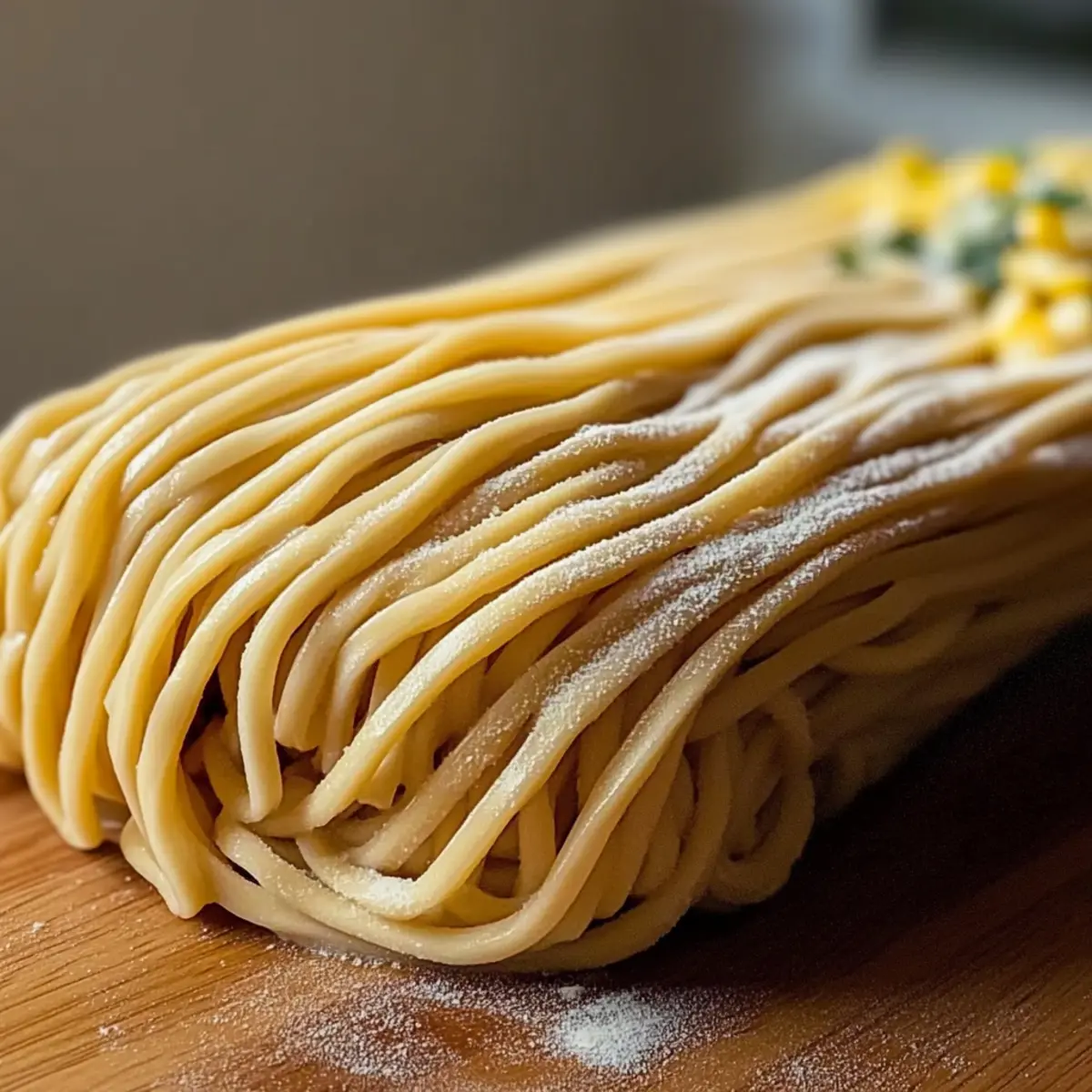
These Homemade Ramen Noodles are a fantastic choice for meal prep, saving you valuable time during busy weeknights! You can prepare the dough up to 24 hours in advance; just wrap it tightly in plastic wrap and refrigerate to keep it fresh. Additionally, the uncooked noodles can be cut and dusted with cornstarch, storing them in an airtight container for up to 2 days in the fridge or freeze them for longer storage. When you’re ready to enjoy, simply boil the noodles for 2-4 minutes until they reach your desired tenderness. This makes for a delightful and quick meal without sacrificing quality—just as delicious as when freshly made!
How to Store and Freeze Homemade Ramen Noodles
Fridge: Store uncooked noodles dusted with cornstarch in an airtight container for up to 2 days. This keeps them fresh and prevents sticking.
Freezer: For longer storage, place uncooked noodles in a freezer-safe bag with some cornstarch to prevent them from clumping together, where they can last up to 3 months.
Reheating: When ready to use frozen noodles, simply boil them in salted water for about 2-3 minutes until heated through, perfect for a quick noodle dish!
Cooked Noodles: If you have leftovers, store cooked noodles in an airtight container in the fridge for up to 3 days. Reheat by briefly boiling or microwaving with a bit of water to avoid drying out.
Expert Tips for Homemade Ramen Noodles
Dough Consistency: Ensure the dough is neither too wet nor too dry; balance flour and water carefully for the perfect texture.
Kneading Technique: Knead the dough thoroughly to develop gluten; this is what gives your homemade ramen noodles that delightful chewiness.
Rolling Evenly: Use a pasta machine for consistent thickness, which ensures even cooking and the best results for your noodles.
Storage Solutions: Dust uncooked noodles with cornstarch and store in an airtight container in the fridge for up to 2 days to maintain freshness.
Cooking Timing: Keep a close eye on your noodles while boiling; overcooking can result in a mushy texture that’s less than ideal for ramen.
What to Serve with Homemade Ramen Noodles
Elevate your homemade ramen experience with delicious sides and pairings that bring flavors to life and create a complete meal.
-
Flavorful Broth: A rich, savory miso or pork broth enhances the noodles’ texture and provides a warm, comforting touch to your dish.
-
Stir-Fried Vegetables: Colorful fresh veggies like bell peppers and bok choy not only add nutrition but also a delightful crunch that complements the noodles beautifully.
-
Spicy Chili Oil: A drizzle of chili oil adds a kick, intensifying the flavor while balancing the noodle’s chewiness with a hint of heat and warmth.
-
Soft-Boiled Eggs: Creamy yolks elevate any ramen bowl, providing richness and a lovely contrast to the firm noodles and broth.
-
Pickled Ginger: This zesty condiment acts as a refreshing palate cleanser, cutting through the richness of the broth and enhancing every bite.
-
Seaweed Garnish: Delicate nori strips or wakame add an umami layer of flavor, giving your dish that authentic ramen shop feel while enhancing presentation.
-
Tasty Gyoza: Flavorful potstickers on the side add a textural contrast; their crispiness perfectly balances the soft, saucy noodles.
-
Iced Green Tea: Refreshing green tea infused with mint offers a light and cooling contrast to the hearty noodles, making for an inviting dining experience.
Homemade Ramen Noodles: Customization Ideas
Dive into a world of delicious possibilities with your homemade ramen noodles! Let your creativity shine by exploring unique variations and substitutions that tantalize your taste buds.
-
Whole Wheat: Use whole wheat flour for a nuttier flavor and a slightly denser texture in your noodles. It elevates the health quotient and adds a lovely earthy touch.
-
Spicy Kick: Add a teaspoon of chili powder to the dough for a spicy twist! This elevates your ramen game and adds an exciting dimension to each bite.
-
Herb-Infused: Incorporate fresh herbs like chopped cilantro or basil directly into the noodle dough. You’ll infuse delightful, aromatic flavors into every strand – an unexpected but delightful surprise!
-
Veggie Delight: Try mixing in pureed spinach or beet juice for vibrant, colorful noodles with a subtle sweetness. Not only do they taste incredible, but they also look stunning in your bowl!
-
Soy-Sauce Flavor: Replace some of the water with soy sauce for a richer, umami flavor that takes your noodles a notch higher. Pair these with a broth full of fresh, sautéed veggies!
-
Chilled Noodle Salad: Create a refreshing cold noodle salad with sesame dressing, diced cucumbers, and cherry tomatoes. This makes for a light, summer feast that’s perfect for warm days.
-
Texture Variation: For added crunch, fry the cooked noodles in a little oil until golden and crispy. They make a delightful topping or side dish, offering a fun textural contrast to your meal.
-
Asian-inspired Stirrings: Give your noodles a boost with garlic, ginger, and sesame oil during cooking. This combination will elevate the flavor profile, perfect for creating comforting ramen stir-fries.
While you’re on this cooking adventure, why not try making some delicious Cannoli Cookies Homemade for dessert? The sweetness will perfectly complement your savory ramen creations!
Homemade Ramen Noodles Recipe FAQs
How do I choose the right flour for homemade ramen noodles?
Absolutely! For the perfect texture, using all-purpose flour is your best bet. If you want a heartier noodle, feel free to substitute with whole wheat flour, which adds a nuttier flavor. Just remember, you might need to adjust the water slightly depending on the flour type!
What’s the best way to store uncooked homemade ramen noodles?
Great question! Dust your uncooked noodles with cornstarch to prevent sticking, and then place them in an airtight container. They can be safely stored in the fridge for up to 2 days, allowing you to whip them up when the craving hits.
Can I freeze homemade ramen noodles for later use?
Very much so! To freeze, place the uncooked noodles in a freezer-safe bag, making sure to sprinkle some cornstarch to keep them separated. They can last up to 3 months! When you’re ready to enjoy them, just boil them in salted water for about 2-3 minutes until they are tender.
What should I do if my dough is too dry or too wet?
If your dough is too dry, gradually add water, a tablespoon at a time, kneading until it reaches the desired consistency. Conversely, if it’s too wet, sprinkle in some flour little by little while kneading. Aim for a smooth, elastic texture that isn’t sticky.
Are homemade ramen noodles safe for my pets?
Not all homemade noodles are pet-friendly. While the ingredients are generally safe, avoid giving your pets any seasoned or sauced noodles. Always check for specific dietary restrictions for your furry friends. Remember, moderation is key!
How long can I keep cooked noodles in the fridge?
Cooked homemade ramen noodles can stay fresh in the fridge for up to 3 days. Store them in an airtight container, and when you’re ready to enjoy them again, simply reheat with a splash of water in the microwave or boil briefly to maintain their delightful texture.
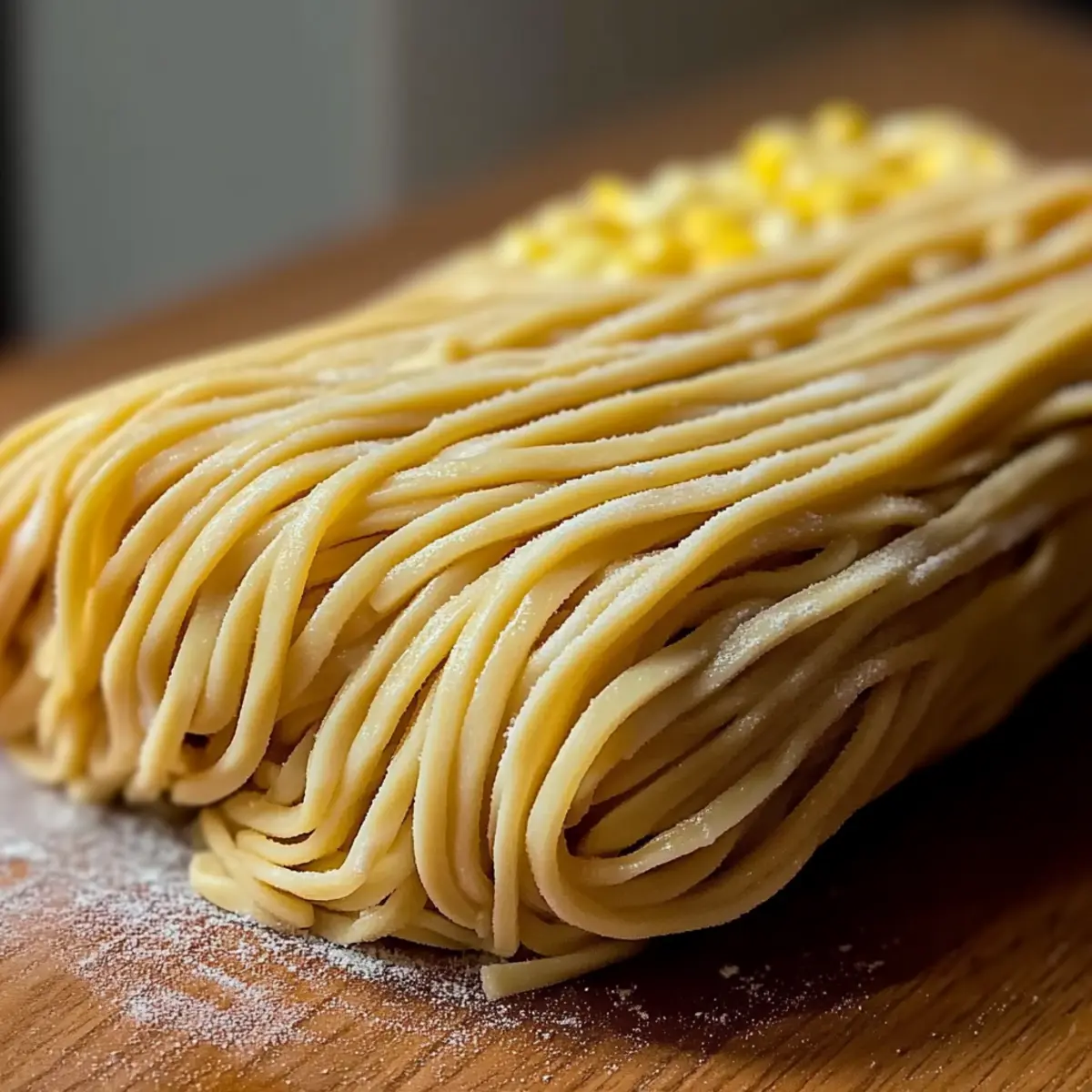
Homemade Ramen Noodles: Chewy, Fresh, and Totally Irresistible
Ingredients
Equipment
Method
- In a large mixing bowl, combine 2 cups of all-purpose flour and 1 teaspoon of baking soda. Gradually pour in about ¾ cup of water, mixing until a shaggy dough begins to form.
- Transfer the dough to a floured surface and knead vigorously for approximately 8-10 minutes until it becomes smooth and elastic.
- Shape the dough into a ball and wrap it tightly in plastic wrap. Allow it to rest at room temperature for 30 minutes.
- Divide the dough into manageable sections, about one-quarter of the total. Roll out the dough to about 1/8 inch thick.
- Carefully slice the rolled dough into long, thin strips about ¼ inch wide, sprinkling cornstarch over the strips to prevent sticking.
- Bring a large pot of salted water to a rolling boil. Add the freshly cut homemade ramen noodles and cook for 2-4 minutes, stirring gently.
- Drain the noodles in a colander and rinse them briefly under cold water to stop the cooking process.
Leave a Reply