
As I prepared for my next picnic adventure, I stumbled upon a delightful twist on traditional sushi: Kimbap, or Korean Seaweed Rice Rolls. This dish is like a vibrant tapestry of flavors and colors, and it’s incredibly easy to make! With just a short prep time, these customizable rice rolls are perfect for quick lunches or outdoor snacking. Whether you’re a seasoned home chef or a curious beginner, you’ll appreciate how versatile Kimbap can be—stuffed with your favorite fillings, it’s a healthy alternative to fast food that’ll please both kids and adults alike. Curious about how to roll them up and make this delicious meal? Let’s dive into this enchanting world of Korean cuisine together!
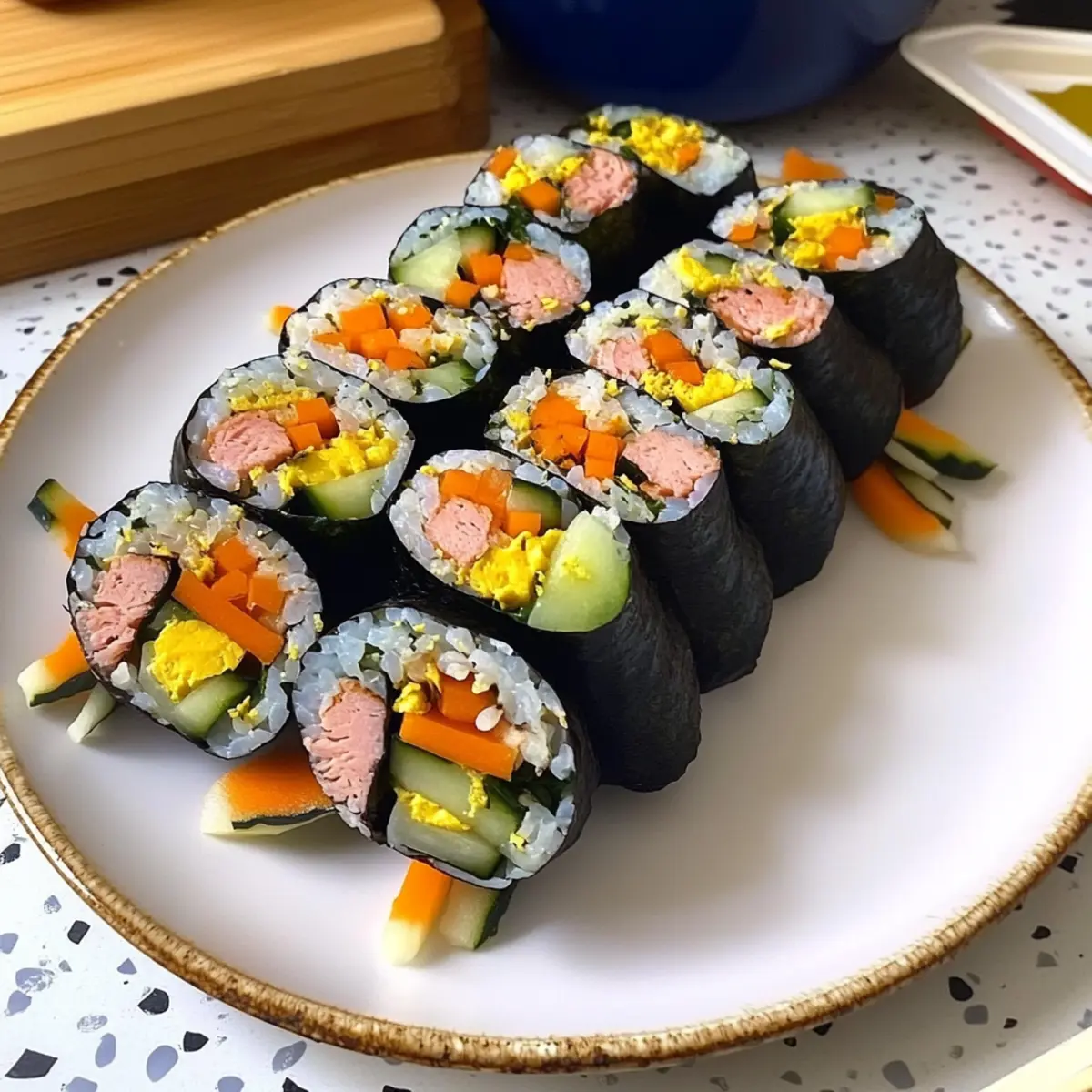
Why is Kimbap So Special?
Customization Galore: Kimbap is not just easy to make; it allows you to tailor each roll with your favorite ingredients! Whether you prefer veggies or proteins, the possibilities are endless.
Quick & Convenient: With minimal prep time needed, Kimbap is perfect for last-minute meals or picnics. You can whip up a batch in under 30 minutes!
Flavorful & Nutritious: Each bite offers a delightful blend of textures and flavors, making it a nutritious option that beats any fast food.
Family-Friendly Fun: Get the kids involved—rolling Kimbap can be an exciting family activity, making mealtime a chance to bond and explore Korean cuisine together.
Cultural Connection: Not only is this dish tasty, but it also represents Korean culture, often enjoyed at gatherings and outdoor adventures, making your meal a delightful experience beyond just eating.
Try pairing it with some homemade gochujang for an extra kick that everyone will love!
Korean Seaweed Rice Rolls Ingredients
For the Rice
- Steamed White Rice – The foundation of your Kimbap, opt for short-grain rice for the best stickiness and texture.
For the Fillings
- Gim (Seaweed) – Use high-quality, sushi-grade seaweed for that savory umami flavor and perfect wrap.
- Egg – This protein-packed ingredient adds richness; beat and cook until just set for ideal rolling.
- Carrot – Adds crunch and a hint of sweetness; remember to sauté for enhanced flavor!
- Cucumber – Provides freshness and crunch; seed removal can help with firmness.
- Danmuji (Pickled Radish) – Essential for authenticity, offering a right amount of tang; can be store-bought or homemade.
- Spam (optional) – For those savory-loving souls, fry until golden, or swap for tofu or tuna for a vegetarian twist.
For Serving
- Sesame Oil – Brush on the finished rolls to impart richness; use sparingly to avoid sogginess.
- Sesame Seeds – A sprinkle adds nuttiness and visual appeal, making your Korean Seaweed Rice Rolls even more inviting!
Feel free to explore different fillings; Kimbap is truly customizable!
Step‑by‑Step Instructions for Korean Seaweed Rice Rolls
Step 1: Prepare the Egg
Start by beating 2 eggs in a bowl until smooth. Heat a non-stick skillet over medium heat and pour the eggs into the skillet, cooking for about 2-3 minutes until just set and no longer runny. Carefully slide the cooked egg onto a cutting board and slice it into thin strips, which will serve as one of the lovely fillings for your Korean Seaweed Rice Rolls.
Step 2: Prep Vegetables
Next, take your cucumber and carrot. Slice the cucumber in half lengthwise, remove the seeds, and cut it into long, thin strips. For the carrot, peel it and slice it into similar long, thin strips. If using Spam, slice it into strips as well, ensuring that all your vegetables and proteins are ready and organized to make assembling the Korean Seaweed Rice Rolls a breeze.
Step 3: Salt and Cook Carrots
In a bowl, toss the sliced carrots with a pinch of salt and let them sit for about 15 minutes to draw out moisture. After that, heat a pan over medium heat with a splash of oil and add the salted carrots. Sauté for about 4 minutes, stirring occasionally until they’re tender yet still crisp, adding depth of flavor to your Korean Seaweed Rice Rolls.
Step 4: Fry Spam
In the same pan, add another drizzle of oil and fry the Spam strips over medium-high heat. Cook for about 1 minute on each side, or until they turn golden brown and crisp. This deliciously crispy Spam adds a savory element to your Korean Seaweed Rice Rolls that takes the flavors to the next level!
Step 5: Assemble Kimbap
Lay a sheet of high-quality gim (seaweed) shiny-side down on a bamboo mat or clean surface. With wet fingers, spread a generous amount of steamed white rice evenly across the seaweed, leaving about 2 cm at the top for sealing. This is the base for your Korean Seaweed Rice Rolls, so make sure the rice is compact but not too thick.
Step 6: Add Fillings
Now it’s time to layer the fillings! In the center of the rice, lay down strips of your prepared eggs, sautéed carrots, cucumber, and Spam (if using). Feel free to be creative and arrange the fillings in a colorful pattern to make your Korean Seaweed Rice Rolls not only tasty but visually appealing too.
Step 7: Roll Tightly
With the bamboo mat, start rolling the Kimbap away from you, keeping the fillings tucked inside. Apply gentle but firm pressure to keep the roll tight while you go. Once you reach the exposed edge of the seaweed, wet it lightly with water or rice to help seal your Korean Seaweed Rice Rolls securely.
Step 8: Finish
If desired, lightly brush the exterior of the finished rolls with sesame oil to add a rich flavor. Then, sprinkle some sesame seeds over the top for an extra touch of nuttiness that complements the Kimbap beautifully. This step is optional, but it enhances the overall presentation!
Step 9: Slice & Serve
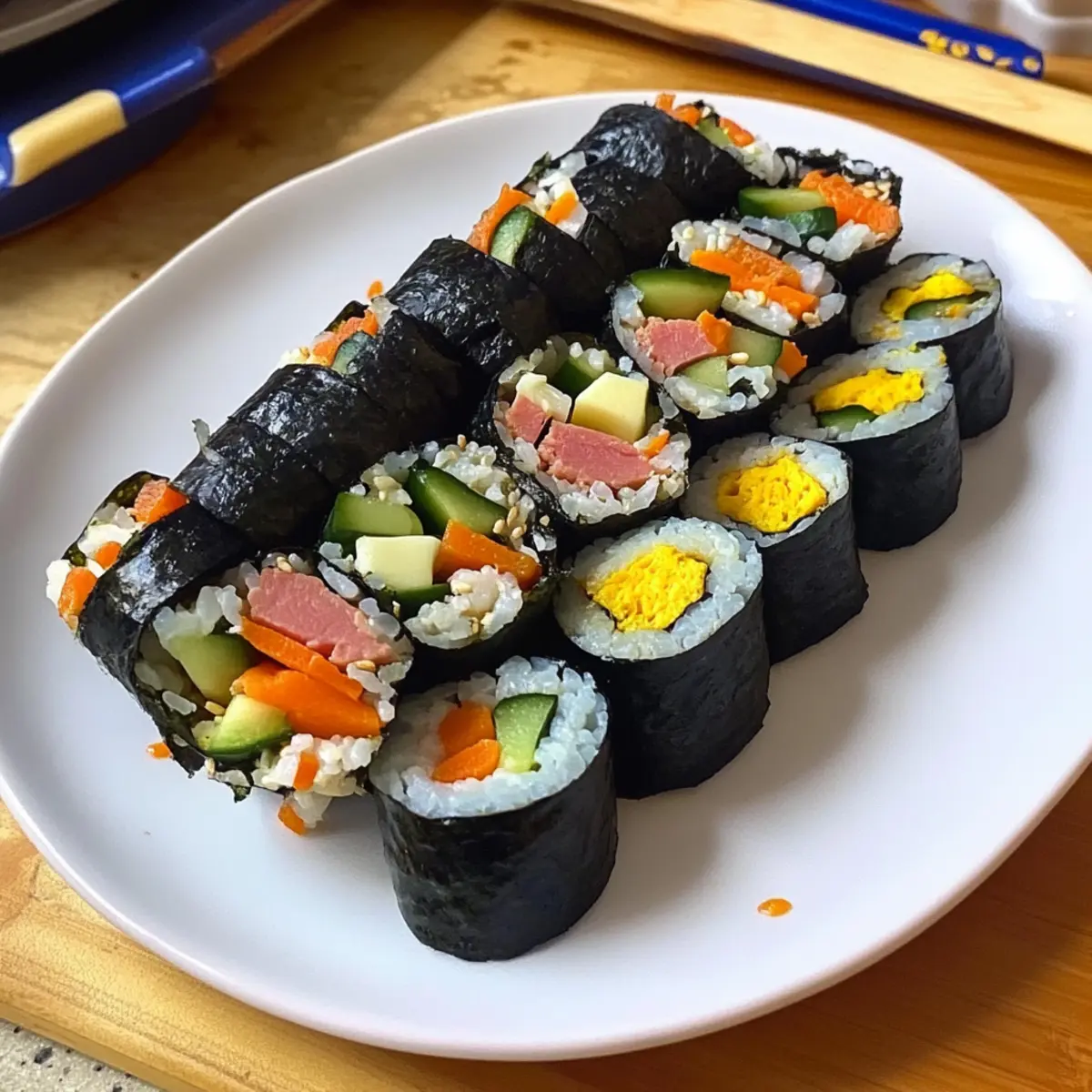
To slice your Kimbap, use a sharp knife and wet it slightly to prevent sticking. Cut the rolls into bite-sized pieces, about 1-2 inches in thickness, to showcase the colorful layers inside. Arrange on a platter and serve your delightful Korean Seaweed Rice Rolls, perhaps with a side of gochujang for dipping!
Make Ahead Options
Busy home cooks will love how easy it is to prepare Korean Seaweed Rice Rolls in advance! You can prepare the filling components—like the sautéed carrots, sliced eggs, cucumber, and Spam—up to 24 hours ahead of time. Just make sure to keep the vegetables in airtight containers to maintain their freshness and prevent them from wilting. Though you can assemble the rolls right before serving, I recommend keeping the rolled kimbap uncut; slicing will disrupt the texture and cause the rice to dry out. When you’re ready to enjoy your meal, simply roll the rice and fillings together, slice, and serve! You’ll have a delightful dish ready in no time, perfect for picnics or busy weeknights.
What to Serve with Easy Kimbap
There’s nothing like setting the stage for a delightful meal with flavors and textures that sing in harmony with your vibrant rice rolls!
-
Creamy Avocado Salad: This creamy side enhances the fresh taste of Kimbap. The rich avocado complements the savory notes perfectly.
-
Spicy Kimchi: A staple at every Korean meal, kimchi adds a bold tang that elevates your meal. It’s the perfect zesty accompaniment that offers a delightful crunch.
-
Sesame Spinach Salad: The nutty flavor of sesame oil in this salad pairs beautifully with the umami taste of Kimbap. It’s light yet flavorful and adds a fresh crunch.
-
Miso Soup: A warm bowl of miso soup provides comfort alongside your rice rolls. Its savory and umami-packed broth offers a lovely contrast that balances the meal.
-
Pickled Vegetables: Tangy pickles add a palate-cleansing element to each bite of Kimbap, enhancing its vibrant flavors with a delightful crunch.
-
Boba Tea: This sweet, chewy drink offers a fun and refreshing contrast to your meal. The varied textures of the boba create an enjoyable eating experience that the whole family will love.
Incorporating these delightful pairings will turn your Kimbap into a memorable feast bursting with flavor and tradition—a meal that is sure to bring smiles to the table!
Korean Seaweed Rice Rolls Variations
Feel free to get creative with your Kimbap and adjust these delightful flavors to suit your taste buds!
-
Vegan Delight: Substitute animal proteins like Spam with marinated tofu or tempeh for a satisfying vegetarian twist.
You’ll still get that savory umami flavor without compromising on nutrition. Making it purely plant-based, it’s as wholesome as it is delicious! -
Spicy Kick: Add a layer of spicy kimchi or thin slices of jalapeños for a fiery punch!
This variation adds a delightful zing that will excite your palate, perfect for those who adore bold flavors. -
Sneaky Greens: Incorporate spinach or sautéed mushrooms for an extra dose of veggies.
Not only will this enrich the flavor profile, but it also adds health benefits to your Kimbap while keeping each bite colorful! -
Fruity Surprise: Try using fresh mango, strawberries, or avocado for a sweet and creamy contrast.
This unexpected twist balances the salty and savory elements with a refreshing burst that will surprise your taste buds delightfully! -
Cheesy Goodness: Add shredded cheese or cream cheese for a rich and indulgent filling.
The creamy texture melds beautifully with the rice and seaweed, offering a comfort food vibe that kids will absolutely adore. -
Herbaceous Twist: Use fresh herbs like cilantro or basil to brighten the flavor of your Kimbap.
These herbs not only add freshness but also invoke a summer garden vibe, enhancing the overall experience with each bite. -
Nutty Crunch: Incorporate roasted nuts like walnuts or peanuts for an extra crunch.
This variation will introduce a pleasant texture contrast, bringing an unexpected yet delightful twist to your rolls! -
Citrus Zing: A squeeze of lime or lemon juice on the fillings can brighten everything up!
The gentle acidity will enhance the overall flavor, lifting each ingredient to new heights and making your Kimbap even more refreshing.
Discover the joy of crafting your perfect Kimbap, and don’t hesitate to try serving them with a side of gochujang for dipping, as it adds a savory depth that complements the rolls beautifully!
Tips for the Best Korean Seaweed Rice Rolls
-
Roll Tightly: Tightly rolling the Kimbap prevents it from falling apart during slicing. Gentle yet firm pressure ensures a perfect seal.
-
Less is More: When starting, use less filling to avoid tearing the seaweed. This ensures a neat and tidy roll every time.
-
Fresh Vegetables: Choose the freshest ingredients, especially the veggies. Freshness enhances the flavor and texture of your Korean Seaweed Rice Rolls.
-
Temperature Matters: If you have leftovers, let them sit at room temperature before eating, or cover them with a damp towel to retain moisture.
-
Explore Fillings: Don’t be afraid to get creative! Substitute Spam with your favorite proteins or seasonal vegetables for even more variety in your Korean Seaweed Rice Rolls.
Storage Tips for Korean Seaweed Rice Rolls
-
Room Temperature: Enjoy your Korean Seaweed Rice Rolls fresh, as they taste best immediately after rolling. If left unrefrigerated, consume within 2 hours to ensure quality.
-
Fridge: You can store leftovers in the fridge for up to 24 hours. Keep them in an airtight container to maintain freshness and prevent the seaweed from getting too soft.
-
Freezer: For longer storage, wrap individual rolls tightly in plastic wrap and place them in a freezer-safe bag. They can be frozen for up to 1 month; however, the texture might change upon thawing.
-
Reheating: If you prefer to enjoy them warm, defrost in the fridge overnight and consider lightly pan-searing for a few minutes to restore some crunch.
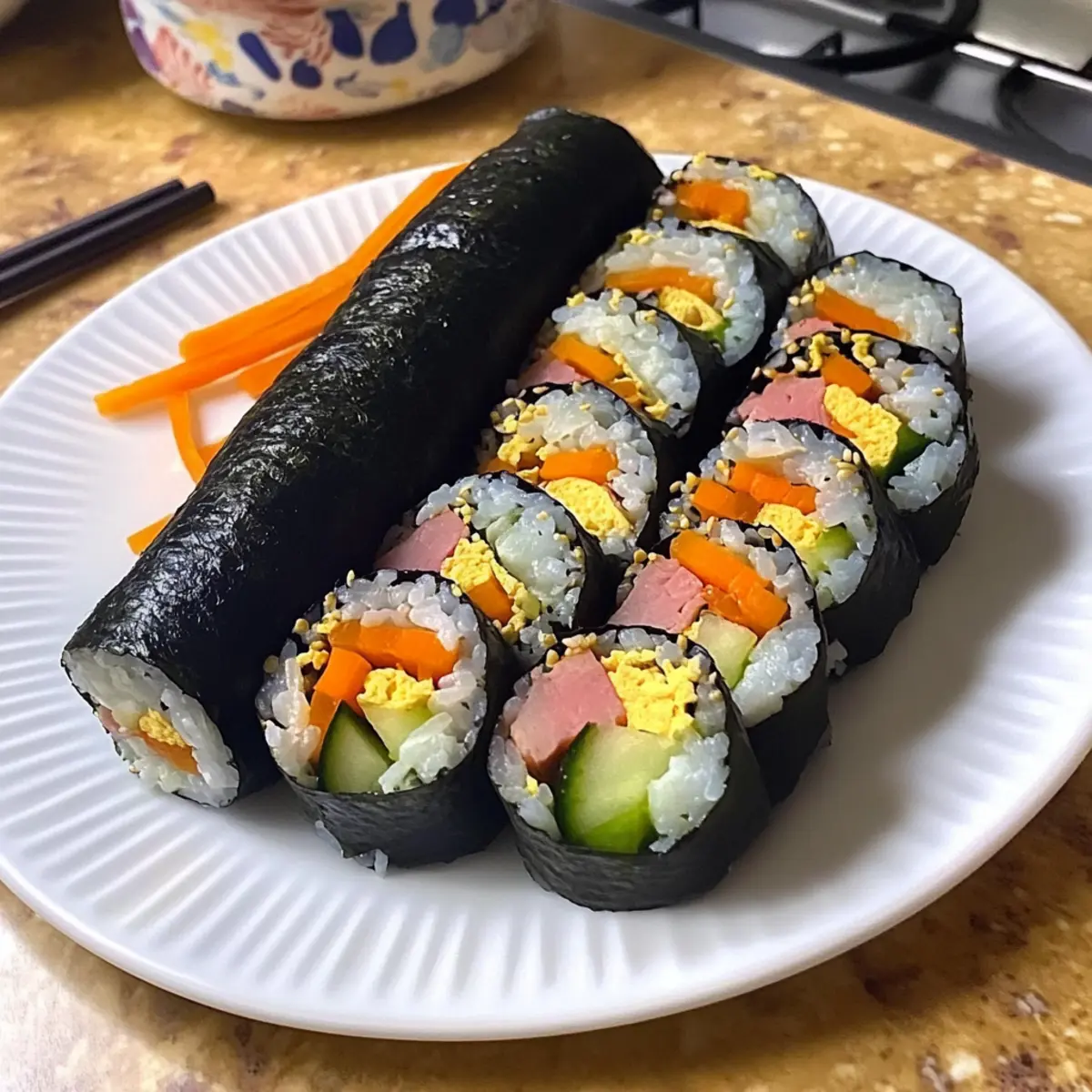
Korean Seaweed Rice Rolls Recipe FAQs
What type of rice is best for Kimbap?
The best choice for Kimbap is short-grain white rice, as it provides the perfect stickiness necessary for forming the rolls. If you can, opt for sushi rice for that authentic texture that holds the fillings together beautifully!
How should I store leftover Kimbap?
You can store leftovers in the fridge for up to 24 hours in an airtight container. Make sure to seal it properly to avoid the seaweed getting too soft. If you plan to eat them later, let them sit at room temperature for a bit before enjoying!
Can I freeze Kimbap?
Absolutely! To freeze your Kimbap, wrap each roll tightly in plastic wrap and place them in a freezer-safe bag. They can be frozen for up to 1 month. When you’re ready to eat, defrost in the fridge overnight and enjoy them cold or pan-sear them lightly for a warm treat!
What can I do if my Kimbap keeps falling apart?
If your Kimbap is falling apart, it may be due to the rice being too loose or overfilling. Start with less filling and ensure you roll tightly! Practicing will help you get the knack for it. Also, make sure the rice is slightly warm, as this helps to adhere everything together.
Are there any dietary considerations for Kimbap?
If you’re making Kimbap for someone with dietary restrictions, consider substituting Spam with tofu, tempeh, or chicken for protein. Additionally, for gluten-free options, be sure to verify that your ingredients, especially sauces, are gluten-free. It’s a versatile dish that can cater to various dietary needs!
How long will Kimbap stay fresh at room temperature?
Kimbap is best enjoyed fresh! If left unrefrigerated, make sure to consume it within 2 hours to enjoy its optimal flavor and texture. They’ll start to soften, especially if the weather is warm, so eating them promptly is ideal.
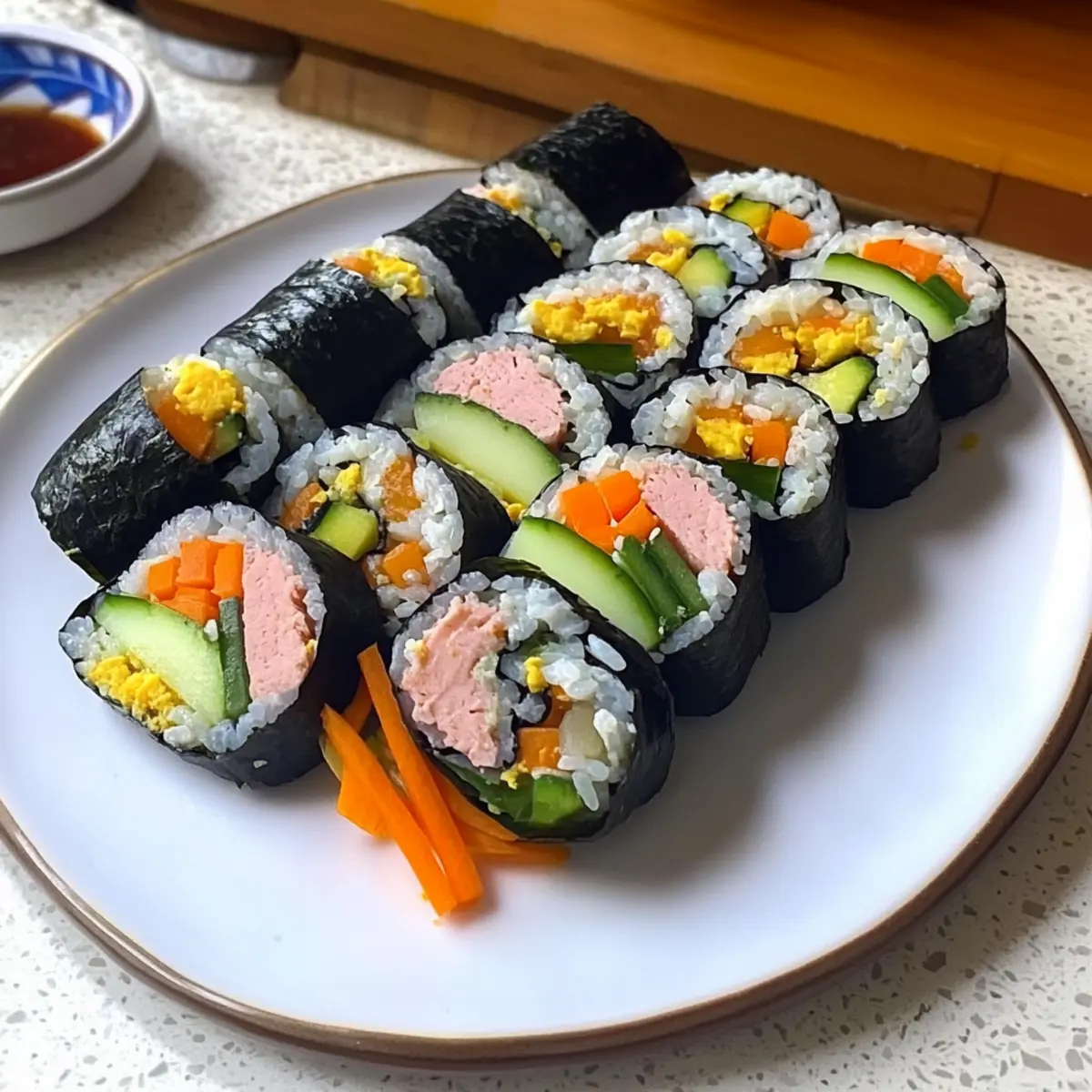
Delicious Korean Seaweed Rice Rolls You Can Customize
Ingredients
Equipment
Method
- Prepare the Egg: Beat 2 eggs in a bowl until smooth. Cook in a non-stick skillet for 2-3 minutes, then slice into strips.
- Prep Vegetables: Slice cucumber and carrot into long, thin strips. If using Spam, slice it into strips as well.
- Salt and Cook Carrots: Toss sliced carrots with salt for 15 minutes. Sauté in a pan over medium heat for 4 minutes until tender.
- Fry Spam: Fry Spam strips in the same pan until golden brown, about 1 minute on each side.
- Assemble Kimbap: Spread steamed rice on seaweed, leaving 2 cm at the top.
- Add Fillings: Layer prepared eggs, sautéed carrots, cucumber, and Spam in the center of the rice.
- Roll Tightly: Roll the Kimbap away from you, applying gentle pressure to keep it tight.
- Finish: Brush the rolls with sesame oil and sprinkle sesame seeds on top.
- Slice & Serve: Use a wet knife to slice the Kimbap into bite-sized pieces and serve with gochujang.
Leave a Reply