
As I chopped the vibrant vegetables for my Mediterranean Greek Salad, the fresh scents of summer instantly transported me to sun-soaked terraces lined with blooming herbs. This Mediterranean Greek Salad Recipe is not just a dish; it’s a burst of color and health in every bite, featuring crisp Romaine lettuce, juicy tomatoes, refreshing cucumbers, and briny Kalamata olives. In just 15 minutes, this gluten-free, vegetarian side will impress your family and friends, making it a perfect addition to any lunch, dinner, or backyard barbecue. Plus, it’s a fantastic way to sneak more fiber and nutrients into your meals without sacrificing flavor. Ready to bring a taste of the Mediterranean to your kitchen? Let’s dive into this delicious and refreshing salad!
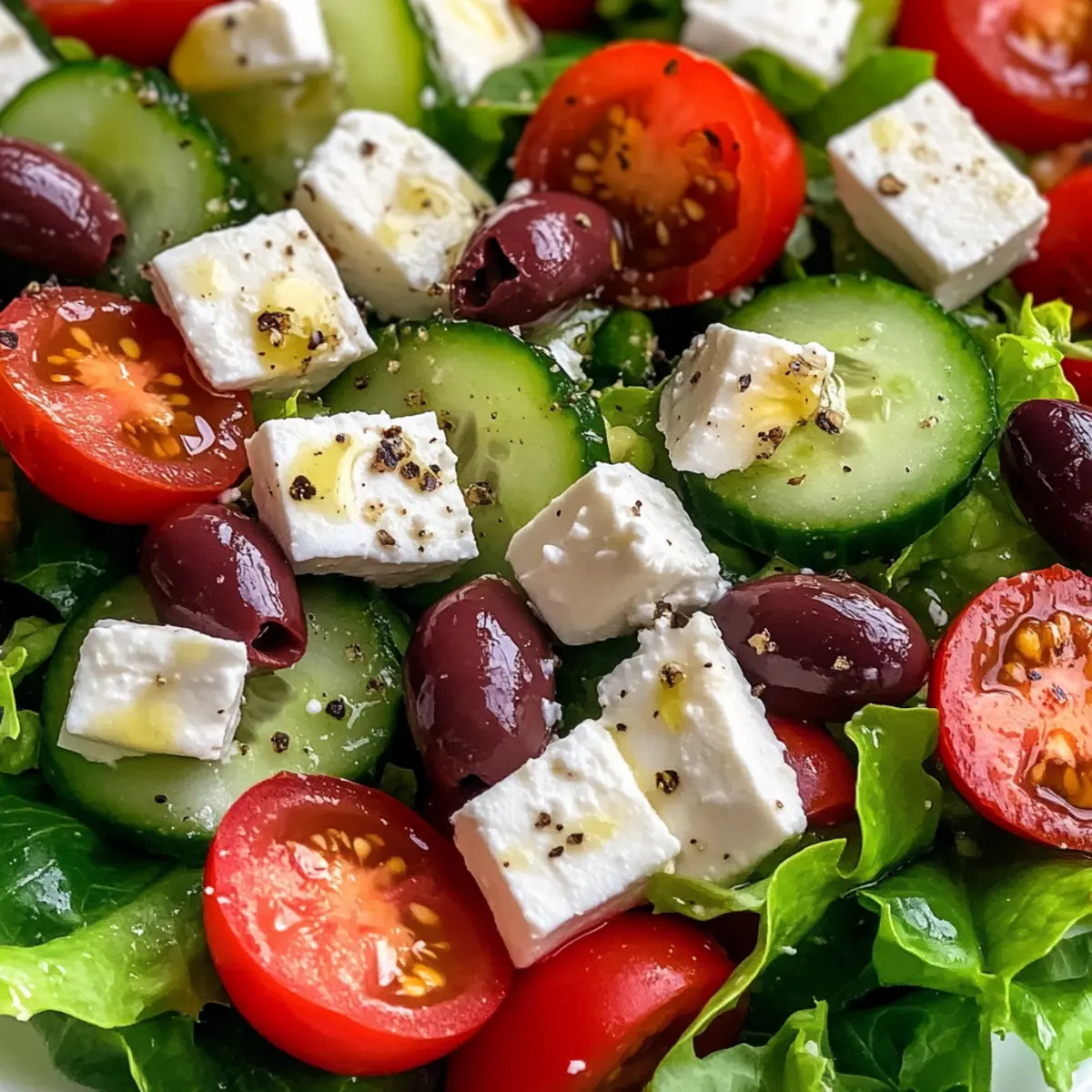
Why is this salad a must-try?
Vibrant, Fresh Ingredients: This Mediterranean Greek Salad is bursting with colors and flavors that elevate any meal.
Quick & Easy: With just 15 minutes of prep, you’ll have a delightful dish that fits perfectly into any busy schedule.
Healthy & Nutritious: This salad is gluten-free and packed with high-fiber, low-cholesterol ingredients, making it a guilt-free side option.
Versatile Pairing: It’s an ideal accompaniment to grilled meats or can stand alone as a light lunch, bringing versatility to your dining table.
Crowd-Pleasing Appeal: Whether it’s a summer barbecue or family dinner, this salad is sure to impress your guests.
For a heartier meal, consider adding some Greek Chicken Tenders or pair it with a delicious Pineapple Cucumber Salad to complement the fresh flavors!
Mediterranean Greek Salad Ingredients
-
For the Salad
-
Romaine Lettuce – Provides a crisp base and fresh crunch. Substitute with mixed greens if unavailable.
-
Ripe Tomatoes – Adds juicy sweetness and vibrant color. Use vine-ripened or heirloom varieties for best flavor.
-
English Cucumber – Contributes refreshing crunch. Regular cucumbers can be used; peel if desired.
-
Green Bell Pepper – Offers a mild sweetness and crunch. Can substitute with red or yellow bell peppers for a sweeter flavor.
-
Red Onion – Adds sharpness and a depth of flavor. Soaking in water can mellow its bite.
-
Kalamata Olives – Provides briny depth and authenticity. Substitute with green olives if preferred.
-
Feta Cheese – Gives creaminess and tang. Authentic Greek feta made from sheep’s milk is recommended.
-
Fresh Dill or Mint – Enhances flavor with herbal brightness. Use parsley as an alternative if needed.
-
For the Dressing
-
Extra Virgin Olive Oil – Offers richness and a healthy fat source. Select high-quality for best results.
-
Red Wine Vinegar – Adds acidity and brightness. Balsamic vinegar can be substituted for a sweeter taste.
-
Dried Greek Oregano – Imparts herbaceous notes. Regular dried oregano can be used as a substitute.
-
Garlic Clove – Provides a warm, savory flavor. Use garlic powder if fresh garlic is unavailable.
-
Dijon Mustard – Adds depth to the dressing. Can be omitted if preferred.
-
Sea Salt and Black Pepper – Enhances flavors. Adjust according to taste preference.
This Mediterranean Greek Salad recipe is not only a feast for the eyes but also a wholesome way to enjoy fresh ingredients.
Step‑by‑Step Instructions for Mediterranean Greek Salad Recipe
Step 1: Prep the Veggies
Begin by rinsing all your fresh produce under cold water to remove any dirt or residues. Pat them dry with a clean kitchen towel. Ensure you’re using a sharp knife and a sturdy cutting board for safety. This step is crucial as it ensures your Mediterranean Greek Salad is fresh and vibrant, ready to be transformed into a delightful dish.
Step 2: Soak the Onion
Slice the red onion thinly, then place the slices in a bowl of cold water. Allow the onion to soak for 10 to 15 minutes, which will mellow its sharp flavor. This technique enhances the overall taste of your Mediterranean Greek Salad, making it less pungent and more balanced when combined with other ingredients.
Step 3: Chop the Veggies
As the onion soaks, chop your Romaine lettuce into bite-sized pieces, cut the tomatoes and English cucumber into chunks, and core then chunk the green bell pepper. Dice the feta cheese into cubes, ensuring they are uniform for easy mixing. Aim for a colorful mix to create a visually appealing Mediterranean Greek Salad.
Step 4: Make the Greek Salad Dressing
In a medium bowl, whisk together the red wine vinegar, minced garlic, dried oregano, sea salt, and black pepper until well combined. Gradually drizzle in the extra virgin olive oil while whisking continuously, which will help to emulsify the dressing. This flavorful dressing is essential to elevate your Mediterranean Greek Salad.
Step 5: Dress & Toss
In a large mixing bowl, combine the prepared Romaine lettuce, chopped tomatoes, diced cucumbers, bell pepper, and well-drained onions. Add Kalamata olives to the bowl, then pour in the freshly prepared dressing. Gently fold in the feta cubes, ensuring not to mash the ingredients. This gentle mixing allows the flavors to meld without compromising the salad’s texture.
Step 6: Season & Serve
Taste your Mediterranean Greek Salad and adjust the seasoning with additional salt and pepper if needed. Fold in the fresh herbs, such as dill or mint, for an extra pop of flavor. You can serve it immediately or let it chill in the refrigerator for up to 30 minutes for deeper flavor integration, making it a perfect accompaniment for any meal.
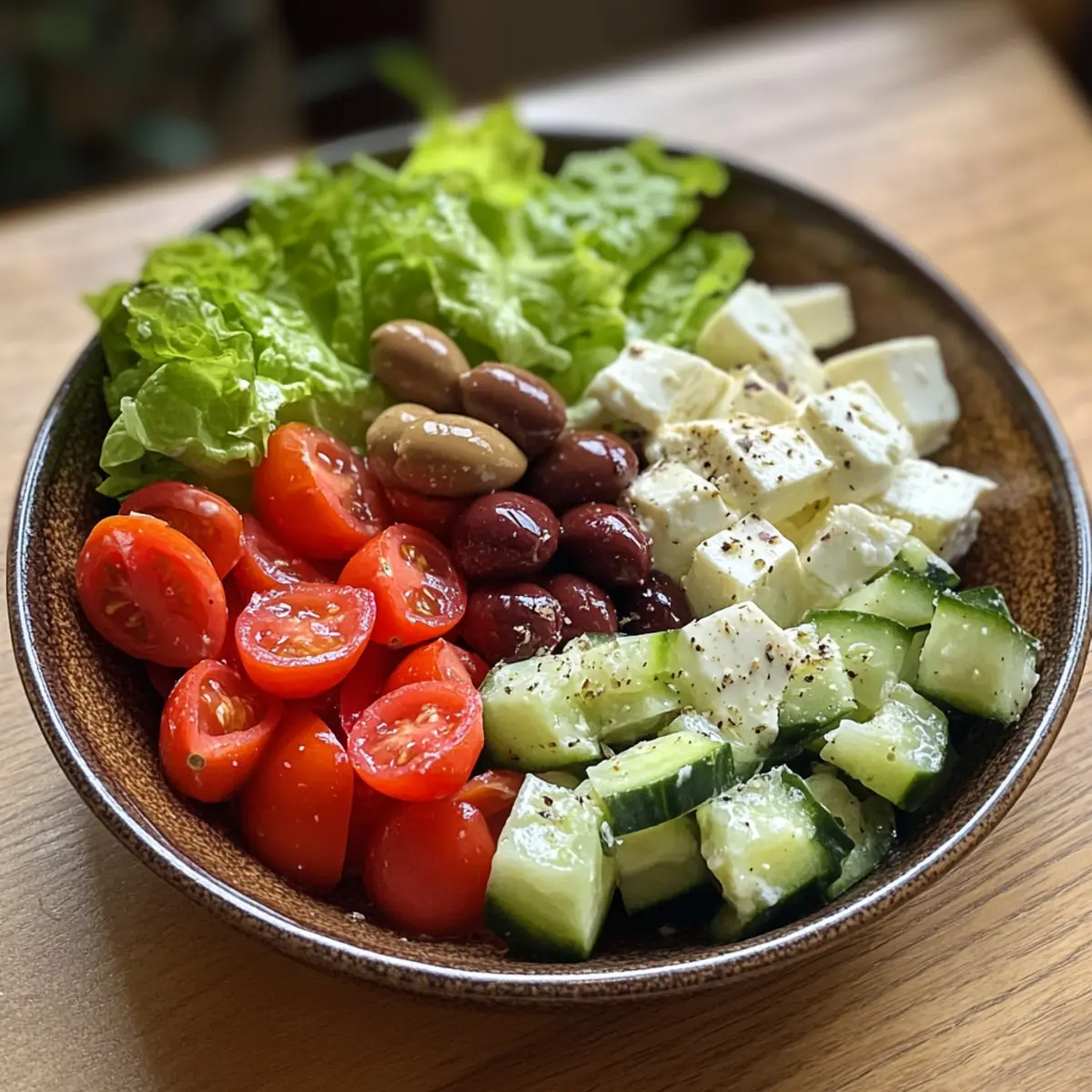
Mediterranean Greek Salad Variations
Feel free to make this Mediterranean Greek Salad your own—each tasty twist will enhance your experience!
-
Avocado Addition: Add sliced avocado for a rich, creamy texture that complements the salad beautifully. It’s like a taste of sunshine in every bite!
-
Chickpea Boost: Incorporate chickpeas for added protein and a hearty texture. They blend seamlessly with the fresh veggies, transforming the salad into a satisfying meal.
-
Toasted Pine Nuts: Sprinkle toasted pine nuts for a delightful crunch and a nutty flavor that adds depth. Each bite becomes a little adventure of taste!
-
Spicy Kick: Add sliced jalapeños or red pepper flakes for heat. This bold twist brings a zesty surprise that pairs perfectly with the crisp veggies.
-
Citrus Zest: Squeeze in some fresh lemon or orange juice for an extra burst of brightness. This adds a refreshing tang that elevates the entire dish.
-
Herbaceous Variation: Experiment with fresh basil or cilantro instead of dill or mint. This change gives the salad a unique twist while keeping that fresh herbal note.
-
Quinoa Base: For a heartier option, serve over cooked quinoa. This adds protein and gives a wonderful earthy flavor to complement the vibrant ingredients.
-
Smoky Flavor: Incorporate smoked paprika into your dressing for a smoky kick that deepens the flavor profile. It’s a surprising yet fabulous addition!
To savor more Mediterranean flavors, consider pairing this salad with a delicious dish like Kreatopita Savory Greek or enjoy it alongside a sweet treat like Golden Greek Honey for a well-rounded meal!
What to Serve with Mediterranean Greek Salad?
This bright and refreshing salad is the perfect starting point for a delightful, well-rounded meal that will tantalize your taste buds.
-
Grilled Chicken Skewers: Tender and juicy skewers add protein and complement the salad’s fresh crunch, creating a satisfying balance on your plate.
-
Quinoa Tabbouleh: This herbaceous, grain-based salad enhances the Mediterranean theme while providing a hearty texture that pairs beautifully with the Greek flavors.
-
Roasted Lamb Chops: The rich, savory flavor of lamb blends wonderfully with the bright notes of the salad, turning your meal into an unforgettable feast.
-
Pita Bread with Hummus: Light and fluffy pita bread with creamy hummus brings a lovely dip for scooping up salad and a satisfying soft texture that contrasts nicely with crisp veggies.
-
Chilled White Wine Spritzer: A light, refreshing spritzer made with white wine and soda water compliments the zesty salad without overpowering it, ideal for warm-weather meals.
-
Tzatziki Sauce: A cool and creamy yogurt-based dip adds a refreshing touch, enhancing the salad while bringing classic Greek flavors into your dining experience.
-
Stuffed Grape Leaves: These savory bites offer an earthy taste that echoes the Mediterranean vibes and texture, providing an elegant touch to your spread.
-
Fresh Fruit Salad: A vibrant mix of seasonal fruits brings a sweet and refreshing contrast to the savory salad, making it a perfect palate cleanser.
With these delightful pairings, your Mediterranean Greek Salad can shine even brighter, offering a wonderful culinary experience that delights the senses!
Make Ahead Options
These Mediterranean Greek Salad preparations are perfect for busy weeknights when time is of the essence. You can chop all the veggies—Romaine lettuce, tomatoes, cucumbers, and bell peppers—up to 24 hours in advance and store them separately in airtight containers in the refrigerator to maintain their crispness. The red onion can also be soaked in cold water and kept for the same duration to mellow its flavor. Prepare the Greek salad dressing in advance, too, and refrigerate it for up to 3 days. When you’re ready to serve, simply combine the prepped veggies, re-whisk the dressing, and toss everything together with the Kalamata olives and feta for a fresh and delightful Mediterranean Greek Salad that tastes just as vibrant as if made on the spot!
How to Store and Freeze Mediterranean Greek Salad
-
Room Temperature: For best flavor and freshness, serve Mediterranean Greek Salad immediately after preparing. If left out, consume within 2 hours to ensure safety.
-
Fridge: Store any leftovers in an airtight container and refrigerate for up to 1 day without dressing. This will help maintain the salad’s crispness.
-
Freezer: It’s not recommended to freeze Mediterranean Greek Salad due to the texture changes of the vegetables and feta. Freshness is key for the best experience!
-
Reheating: If you happen to have any leftovers with dressing, enjoy them cold or at room temperature. Reheating isn’t necessary and will alter the salad’s delightful texture.
Expert Tips for Mediterranean Greek Salad
-
Prep Separately: Prepare vegetables and dressing separately up to a day in advance. This keeps your Mediterranean Greek Salad fresh and prevents sogginess.
-
Choose Firm Produce: Select firm tomatoes and well-drained cucumbers to avoid a watery salad. Dress your salad just before serving to maintain crunch.
-
Emphasize Authentic Feta: Use authentic Greek feta—a strong flavor and sturdiness is vital for texture and presentation in your Mediterranean Greek Salad.
-
Maximize Flavor: Don’t skip soaking the red onion. It mellows the onion’s sharpness and enhances the overall balance of flavors in your Mediterranean Greek Salad.
-
Garnish with Fresh Herbs: Fresh dill or mint brings brightness to the dish. Always taste and adjust seasonings before serving for the best flavor.
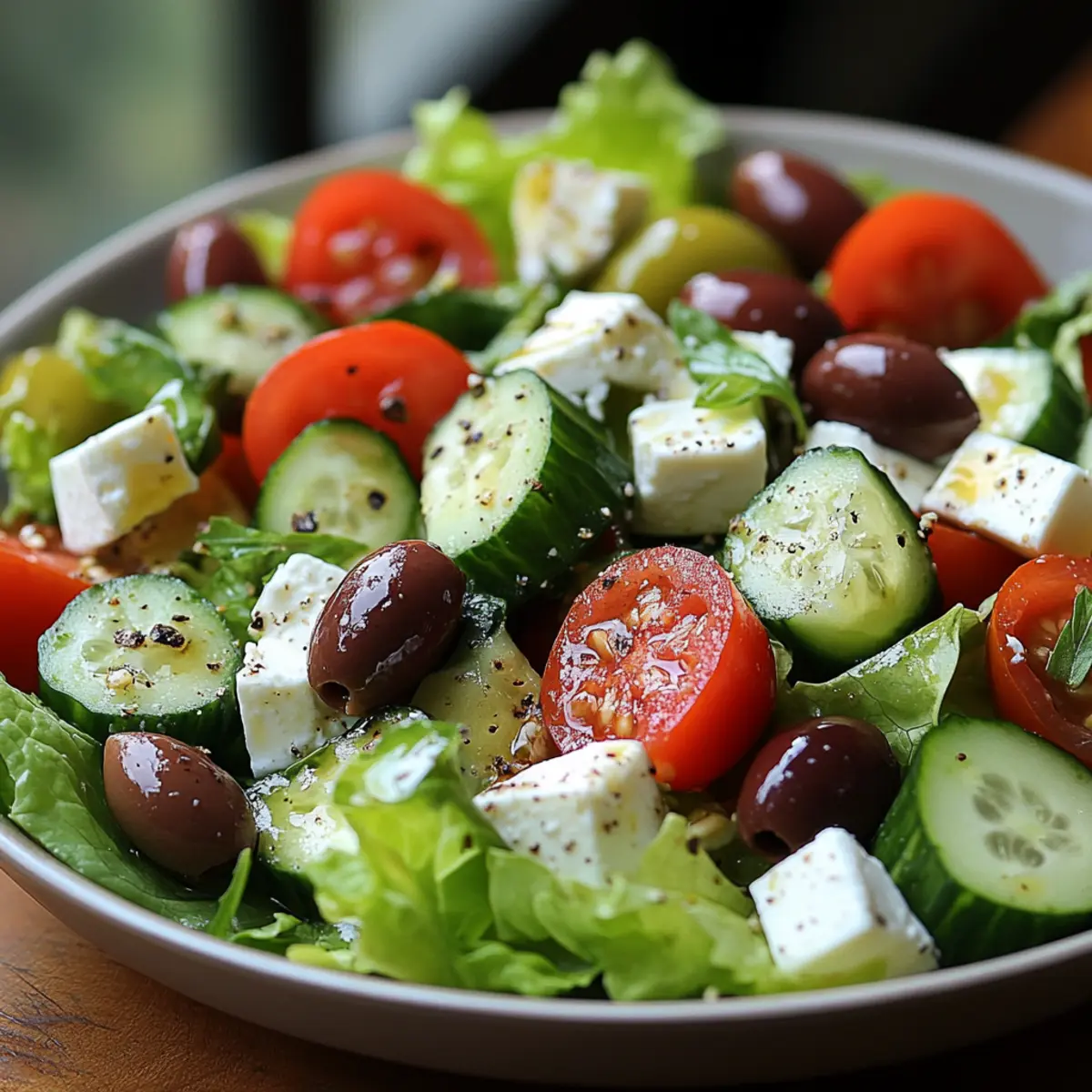
Mediterranean Greek Salad Recipe FAQs
What type of tomatoes should I use in my salad?
For the best flavor in your Mediterranean Greek Salad, I recommend using vine-ripened or heirloom tomatoes. These varieties are typically sweeter and juicier, enhancing the overall taste of the salad. If you can find them, they will elevate your dish to an authentic Mediterranean experience!
How should I store leftover Mediterranean Greek Salad?
Absolutely! To maintain freshness, store any leftover salad in an airtight container in the refrigerator without dressing for up to 1 day. This helps to keep the ingredients crisp. If you’ve already dressed the salad, it’s best to enjoy it straight away, as the dressing can make the veggies soggy.
Can I freeze Mediterranean Greek Salad?
Unfortunately, I don’t recommend freezing Mediterranean Greek Salad. Freezing alters the texture of the fresh vegetables and feta cheese, which can lead to mushiness upon thawing. It’s best enjoyed fresh, so prepare only what you need!
What if my salad seems too watery?
If you find that your Mediterranean Greek Salad is a bit watery, the culprit is likely overripe tomatoes or cucumbers with high water content. To counter this, try using firmer, less ripe tomatoes and be sure to drain your cucumbers thoroughly. Also, dress the salad just before serving to avoid excess moisture pooling at the bottom of the bowl.
Is this salad suitable for specific dietary needs?
Yes! This Mediterranean Greek Salad is gluten-free, vegetarian, and diabetic-friendly, thanks to its fresh ingredients. However, if you’re preparing it for someone with specific allergies, make sure to check if any components, like feta cheese or olives, might trigger sensitivities. Substitute cheese with a dairy-free option if needed.
How ripe should my cucumbers be for the salad?
When selecting cucumbers for your Mediterranean Greek Salad, look for firm, crisp green cucumbers with minimal blemishes. Avoid any that have soft spots or dark spots all over, as these could indicate spoilage. The crunchier the cucumber, the better the texture of your salad will be!
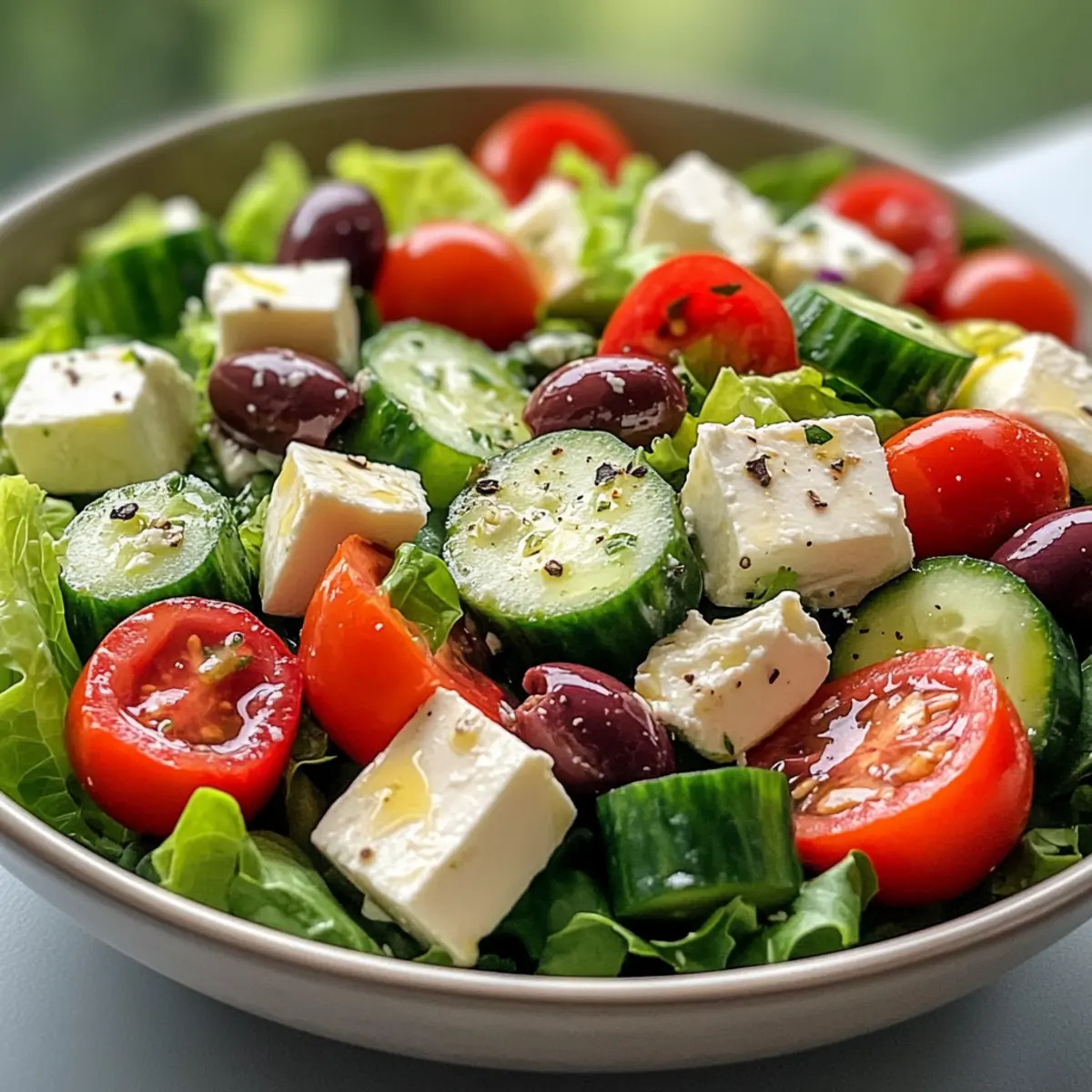
Mediterranean Greek Salad Recipe: Fresh, Flavorful, Fast!
Ingredients
Equipment
Method
- Begin by rinsing all your fresh produce under cold water to remove any dirt or residues. Pat them dry with a clean kitchen towel.
- Slice the red onion thinly, then place the slices in a bowl of cold water. Allow the onion to soak for 10 to 15 minutes.
- Chop your Romaine lettuce into bite-sized pieces, cut the tomatoes and English cucumber into chunks, and core then chunk the green bell pepper.
- In a medium bowl, whisk together the red wine vinegar, minced garlic, dried oregano, sea salt, and black pepper until well combined.
- In a large mixing bowl, combine the prepared Romaine lettuce, chopped tomatoes, diced cucumbers, bell pepper, and well-drained onions.
- Taste your Mediterranean Greek Salad and adjust the seasoning with additional salt and pepper if needed.
Leave a Reply